How to Manage Distributed Energy Assets with Workflow Automation
Nawfe use cases
How to Manage Distributed Energy Assets with Workflow Automation
The future of energy is distributed.
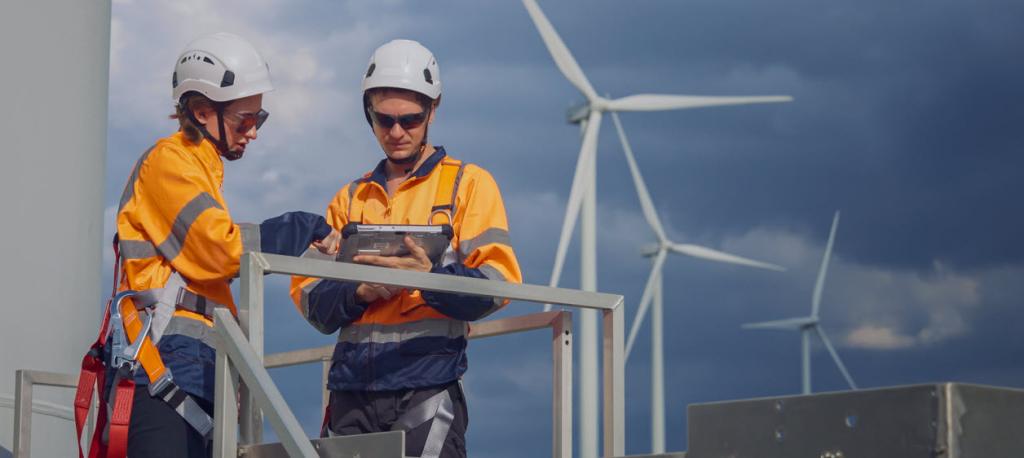
Solar farms. Wind turbines. Battery storage systems. Remote substations.
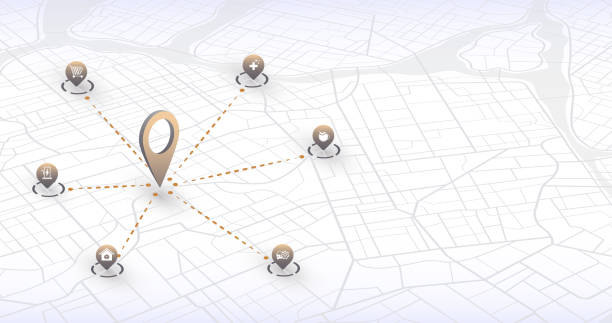
Assets are no longer centralized—they’re spread across regions, states, and even countries.
The problem?
Operations haven’t caught up.
Most energy companies still manage distributed assets with:
spreadsheets
emails
disconnected tools
and manual coordination
The result?
poor visibility across sites
inconsistent execution
delayed maintenance and response
increased operational risk
rising costs
Here’s the reality:
Managing distributed energy assets isn’t a data problem.
It’s a workflow problem.
This guide will show you:
how to standardize operations across distributed assets
how to improve visibility and accountability
and how to automate asset management workflows using Nawfe
🧠 What Are Distributed Energy Assets?
Distributed energy assets are physical systems located across multiple sites.
Examples include:
solar installations
wind farms
battery storage systems
substations
transmission infrastructure
Each asset requires:
regular maintenance
inspections
incident response
compliance tracking
🚨 Why Distributed Asset Management Is So Difficult
The challenge isn’t just scale.
It’s coordination.
Common issues:
teams operating in silos
inconsistent processes across sites
limited real-time visibility
delayed communication from the field
missed maintenance or inspections
lack of centralized documentation
The root cause:
There is no unified system enforcing how work gets done.
🛠 Step-by-Step: How to Manage Distributed Energy Assets Effectively
Step 1: Standardize Core Workflows Across All Assets
Every site should follow the same operational processes.
Key workflows to standardize:
preventative maintenance
inspections
incident reporting
equipment checks
compliance reporting
Why this matters:
ensures consistency
reduces errors
simplifies training
Action Item
Define your core operational workflows.
Step 2: Assign Clear Ownership by Asset and Process
Every asset needs defined accountability.
Example:
Site A → Field Technician A
Site B → Field Technician B
Regional Manager → oversight
Rule:
Every workflow step must have a clear owner.
Action Item
Map ownership for:
each asset
each workflow
Step 3: Enable Real-Time Data Collection from the Field
Field teams are your source of truth.
But common issues include:
delayed reporting
incomplete data
inconsistent formats
Solution:
Structured, mobile-friendly data capture.
Action Item
Ensure field teams can:
submit updates instantly
upload photos
log issues in real time
Step 4: Enforce Scheduling and Recurring Tasks
Maintenance and inspections must happen on time.
Examples:
weekly inspections
monthly maintenance
quarterly compliance checks
Without enforcement:
tasks get missed
compliance risks increase
asset performance declines
Action Item
Define schedules for all recurring workflows.
Step 5: Create Visibility Across All Assets
Leadership needs a clear, centralized view.
You should be able to answer instantly:
Which assets are up to date?
Which sites have open issues?
What maintenance is overdue?
Where are the highest risks?
Action Item
Establish a centralized dashboard for asset visibility.
Step 6: Track Issues and Incidents Systematically
Issues should never live in:
emails
text messages
or verbal communication
Every issue must be:
logged
tracked
assigned
resolved
Action Item
Create a structured issue tracking process.
Step 7: Maintain Complete Documentation and Audit Trails
Energy operations are highly regulated.
You must be able to prove:
maintenance was performed
inspections were completed
incidents were handled correctly
compliance requirements were met
Action Item
Ensure all workflows generate:
timestamps
user actions
documentation
🚀 Step 8: Automate the Entire System
Manual coordination doesn’t scale.
Distributed operations require:
consistency
speed
accountability
Workflow automation is the solution.
How Nawfe Transforms Distributed Energy Operations
Nawfe becomes the operating system for your assets.
🔹 1. Standardized Workflows Across All Sites
define processes once
deploy across all assets
ensure consistency everywhere
🔹 2. Automated Scheduling
recurring workflows trigger automatically
no missed maintenance or inspections
🔹 3. Field-Friendly Data Collection
mobile submissions
structured forms
real-time updates
🔹 4. Clear Ownership and Accountability
every step assigned
no ambiguity
🔹 5. Real-Time Visibility
centralized dashboards
track all assets in one place
🔹 6. Issue and Incident Tracking
structured workflows for problems
faster resolution
🔹 7. Full Audit Trail
Every action is recorded:
who did it
when it was done
what was submitted
📊 Before vs After Workflow Automation
Without Nawfe
inconsistent processes
limited visibility
delayed reporting
missed maintenance
high operational risk
With Nawfe
standardized workflows
real-time visibility
consistent execution
on-time maintenance
reduced risk
🧱 Real-World Example
Before
Site teams operate independently
reports sent via email
maintenance tracked in spreadsheets
leadership lacks visibility
After
workflows standardized across all sites
maintenance triggered automatically
field teams submit updates instantly
leadership sees everything in real time
📋 Distributed Asset Management Checklist
Standardized workflows defined
Ownership assigned per asset
Field data collection enabled
Recurring tasks scheduled
Centralized visibility established
Issue tracking system in place
Audit trails maintained
Workflow automation implemented
💡 The Key Insight
Managing distributed energy assets isn’t about tracking data.
It’s about ensuring work happens correctly across every site, every time.
If your operations rely on:
manual processes
inconsistent reporting
or fragmented tools
You’re increasing risk as you scale.
🔚 Final Thought
The energy industry is becoming more distributed every day.
Your operations need to evolve with it.
When your workflows are:
standardized
automated
and fully visible
You don’t just manage assets.
You operate them as a unified system.
And that’s how you scale efficiently, reduce risk, and stay competitive.